
AI-assisted digital cytology could reduce pressure on cervical screening laboratories and staff, and yield a 69% improvement in productivity
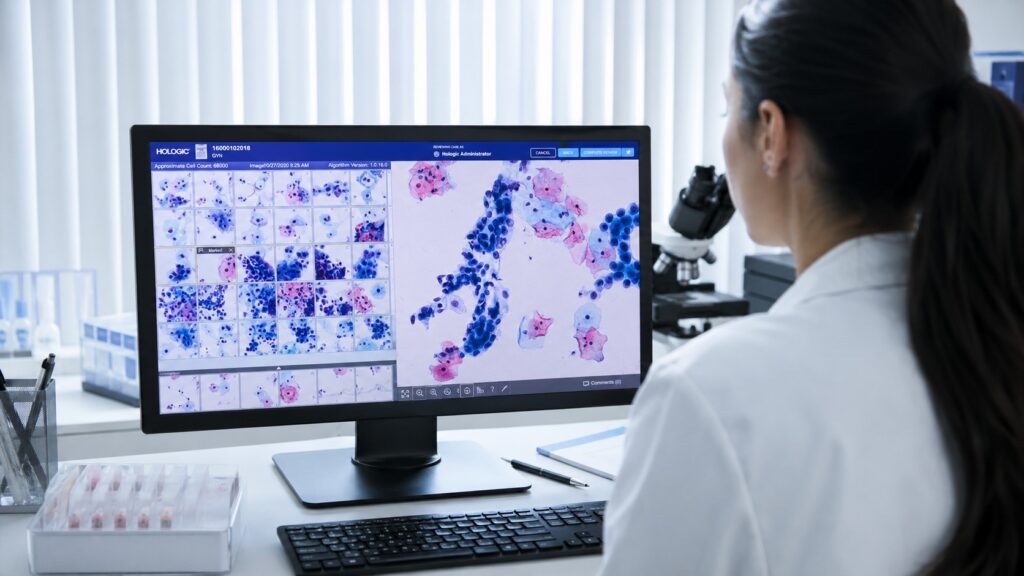
A new model-based study published by the Aquarius team in BMJ Open suggests that AI-assisted digital cytology could substantially reduce the laboratory staff time needed to review and report cervical screening slides. Cervical screening plays an important role in preventing cervical cancer by identifying cell changes before they progress. In the NHS Cervical Screening Programmes, Read More >
User experience and workflow performance: a pilot evaluation of the Genius Digital Diagnostics System for screening cervical cytology samples

It is generally understood that the cytology work process can be stressful and fatiguing affecting technicians’ performance and job satisfaction on a day-to-day basis and in the longer term. This study assessed the performance and user experience of cytotechnologists (CTs) reviewing liquid-based cytology samples using a new digital cytology platform Genius Digital Diagnostics System (Genius Read More >
Research in Dravet syndrome and cervical cancer screening presented at international conferences

Aquarius has recently presented posters at international conferences (ISPOR, a conference for the leading professional society for health economics and outcomes research and EUROGIN, an international multidisciplinary HPV conference), exploring the impact of improving healthcare for two very different conditions: Dravet syndrome (rare debilitating epilepsy) and cervical cancer. Read More >
Using an mRNA versus DNA test in the English cervical screening programme can save £15m annually and reduce unnecessary testing

The results of our economic evaluation comparing the use of mRNA and DNA assays in screening for cervical cancer in England were published in BMJ Open and are now available online. Results show large cost savings from avoiding unnecessary testing and follow-up, which can benefit women and healthcare services. Read More >