
Estimating the number of individuals who need to receive PrEP to meet England’s 2030 HIV transmission elimination goals

England has committed to eliminating HIV transmission by 20301. Although significant progress has been made in reducing new HIV diagnoses, existing evidence suggests increased investment in prevention efforts is required to meet the elimination target2,3. Pre-exposure prophylaxis (PrEP) is widely available through sexual health services in England: In 2024, 111,000 individuals accessed PrEP in sexual Read More >
Tales from opposite corners of the world: Emergency department opt-out testing: A cost-effective route to earlier HIV and Hepatitis diagnosis in Australia and Germany
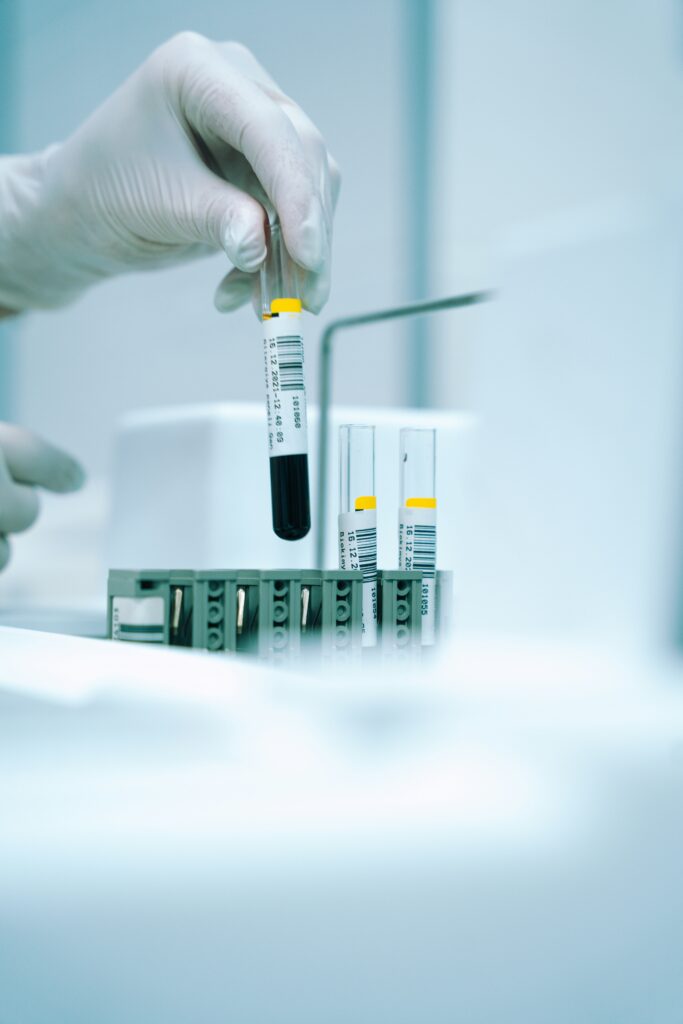
Australia and Germany have both made progress toward HIV and viral hepatitis elimination targets, yet a significant share of infections remains undiagnosed. These levels of undiagnosed infection indicate that standard blood-borne virus (BBV) testing approaches are not sufficient to meet public health goals. Emergency department opt-out testing European and US studies demonstrate the cost-effectiveness and Read More >
Estimating the potential health economic value of introducing universal opt-out testing for HIV in emergency departments in Italy

Italy faces challenges with late HIV diagnoses, which leads to worse health outcomes and higher healthcare costs. In Italy, the proportion of late diagnoses (i.e., a CD4 count <350 cells/mm3) has increased to 60% in 2020—10% higher than the European average (1). With an estimated 13,000–15,000 undiagnosed HIV cases in Italy, innovative testing strategies are urgently needed Read More >
Self-sampling for cervical cancer screening – what is it and what does evidence from Europe tell us about whether it provides any benefits compared to traditional ways of screening?

Regular screening is crucial for preventing cervical cancer or identifying cancer at an early stage, when treatment is most likely to be successful. Screening is particularly important for women who did not receive the HPV vaccine; in the UK, that means most women over the age of 30. Many European countries, including the UK, have Read More >
Publication of our economic evaluation comparing two cervical screening strategies in Belgium: HPV primary versus co-testing


Health economic evaluation of an mRNA HR-HPV assay versus a DNA HR-HPV assay for the proposed French cervical screening programme


Further evidence that rapid near-patient testing for chlamydia and gonorrhoea in sexual health clinics benefits patient care

A health economic model to estimate the costs and benefits of an mRNA vs DNA high-risk HPV assay in a hypothetical HPV primary screening algorithm in Ontario, Canada


Evaluating the benefits and costs of using an mRNA versus DNA HR-HPV assay in the National Cervical Screening Programme in the Netherlands


Modelling the impact of using a DNA compared to mRNA HPV assay as part of the cervical screening programmes in Sweden and Denmark
